Spices have been an integral part of human civilization for thousands of years. From ancient trade routes to modern kitchens, spices have shaped cultures, cuisines, and even economies. In Indian households especially, spices are not just ingredients—they are a way of life. They bring flavor to food, healing to the body, and warmth to traditions passed down through generations.
In this blog, let us explore what spices are, their importance, health benefits, types, and why choosing high-quality spices matters.
What Are Spices?
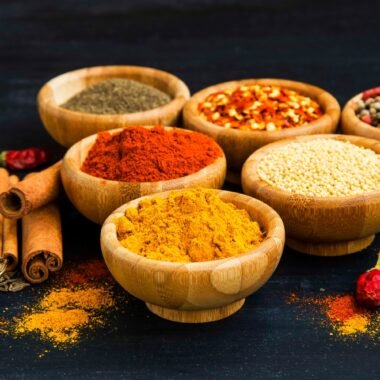
Spices are dried parts of plants such as seeds, roots, bark, flowers, or fruits used to enhance the flavor, aroma, and color of food. Unlike herbs, which are usually fresh leaves, spices are typically dried and used in small quantities due to their strong taste and potency.
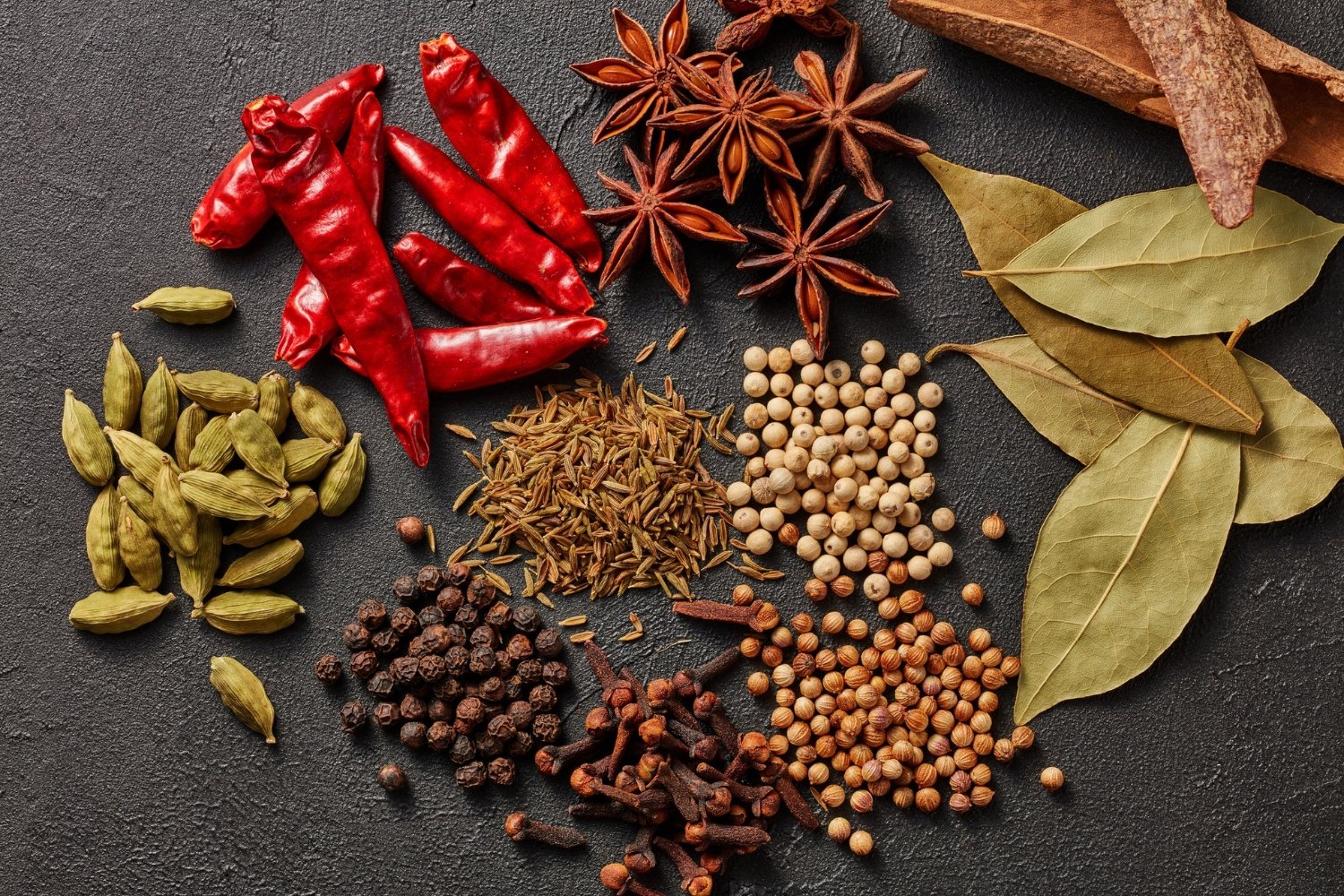
Common examples include turmeric, black pepper, cumin, coriander, cloves, cardamom, cinnamon, and red chilli.
The Historical Importance of Spices
India has always been known as the “Land of Spices.” Ancient spice routes connected India with the Middle East, Europe, and Asia. Black pepper was once called “black gold,” and spices were valued as much as precious metals.
- Spices were used not only for cooking but also for:
- Traditional medicine (Ayurveda)
- Food preservation
- Religious rituals
- Cosmetics and perfumes
Even today, Indian spices are in high demand across the world for their superior aroma and quality.
Types of Spices Commonly Used in Indian Cooking
1. Whole Spices
These are spices used in their natural form and ground when required.
- Cumin seeds
- Coriander seeds
- Peppercorns
- Cloves
- Cardamom
- Cinnamon sticks
Whole spices retain freshness longer and provide stronger aroma when freshly ground.
2. Ground Spices (Powders)
These are finely ground spices ready for convenient use.
- Turmeric powder
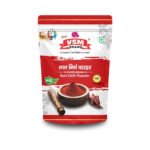
- Red chilli powder
- Coriander powder
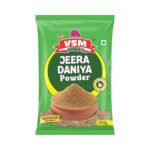
- Cumin powder
- Black pepper powder
High-quality ground spices should be finely milled, aromatic, and free from additives.
3. Blended Spices (Masalas)
- Masalas are blends of multiple spices crafted for specific dishes.
- Garam masala
- Sambar powder
- Rasam powder
- Chaat masala
- Biryani masala
Each blend has a unique balance that defines the taste of the dish.
Health Benefits of Spices
Spices are not just about taste—they are packed with health-boosting properties.
 Turmeric
- Powerful anti-inflammatory
- Improves immunity
- Supports joint health
- Aids digestion
 Black Pepper
- Enhances nutrient absorption
- Improves digestion
- Boosts metabolism
 Cumin
Cumin
- Supports gut health
- Reduces bloating
- Rich in iron
Coriander
- Helps regulate blood sugar
- Detoxifies the body
- Improves digestion
Regular use of natural spices can contribute to overall wellness when combined with a balanced diet.
Conclusion
Spices are the soul of cooking. They tell stories of tradition, health, and heritage. Choosing pure, authentic spices not only elevates the taste of your food but also supports a healthier lifestyle.
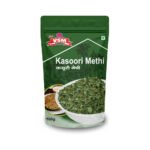
At VSM Brand, we believe in delivering pure, natural, and high-quality spices that bring authentic flavor and wellness to your kitchen. Every pinch reflects tradition, care, and trust.